

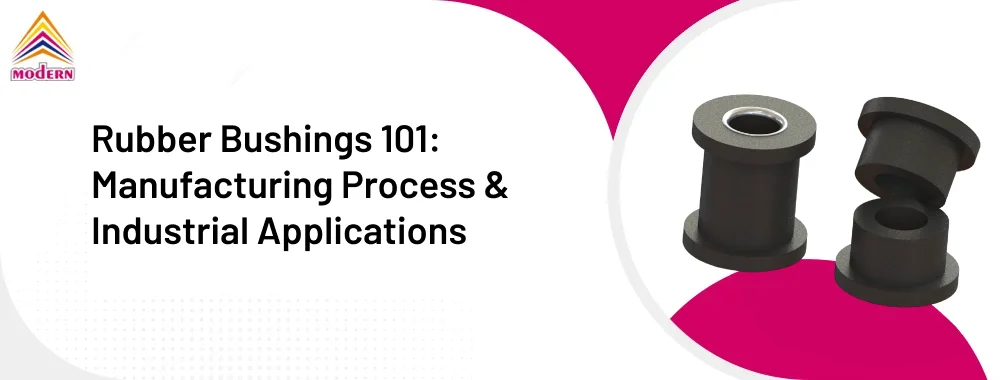
If you are looking for information on a rubber bushings manufacturer in India, then you are probably having vibration or noise problems with a vehicle or machine, which a plain metal part can't solve. A rubber bushing is a type of shock absorber that is used in automotive suspension systems to help reduce noise and vibration between two moving metal components and is one of the most frequently used wear items. This guide will take you through the process of bushings made and materials that last the longest, where they are used and what to look for when selecting a rubber bushing manufacturing process partner for your project.
What Rubber Bushings Do
A rubber bushing is located inside a metal sleeve or bracket that would vibrate if not for the bushing. If there was no bushing, there would be metal to metal contact, noise, wear and ultimately damage to both surfaces. Bushings also provide a small amount of controlled motion in areas such as suspension arms, engine mounts and machinery joints, which helps to enhance ride quality and lower stresses on components attached to them.
Manufacturing Process Step by Step
The compression moulding is the main process used in the production of most industrial rubber bushings. The raw rubber and metal sleeve or insert are then put into a heated mould and pressure is applied so that the rubber flows and adheres to the metal surface in the mould. The part is then cured for a specified amount of time under heat to achieve final strength and elasticity in rubber. Trimming, checking and testing of the bushing for fit and hardness is done after curing before it is shipped from the factory. Hardness is typically based upon Shore A scale data and the rubber compound will be changed based on the required firmness or softness of a bushing application. On the surface the process would seem easy, but there is a lot of consistency that depends on the quality of the moulds and process control and that's where experienced mould manufacturers stand out from newer manufacturers.
Materials Used and How They Affect Durability
Natural rubber offers strong elasticity and is often used in general purpose bushings. EPDM resists heat and weathering, making it suitable for bushings exposed to outdoor conditions. NBR (Nitrile Rubber) stands up well to oil and fuel exposure, useful in engine area applications. Harder rubber compounds reduce flex but last longer under heavy load, while softer compounds absorb more vibration but wear out faster. A good manufacturer will ask about your load, movement range, and environment before recommending a compound, rather than offering the same option for every job.
Applications of Rubber Bushings
The biggest use case for rubber bushings is automotive suspension, where they connect control arms, sway bars, and subframes to the vehicle body while absorbing road vibration. Bushings can either be bonded to the metal sleeve during moulding, or designed as a press fit part that is installed afterward, and the right choice depends on how much load and rotation the joint needs to handle. Beyond vehicles, bushings are also used in industrial machinery mounts, conveyor systems, and general equipment wherever two metal parts need cushioning between them.
How to Choose a Bushing Manufacturer
Ask a potential supplier about their moulding process, the materials they keep in stock, and how they test hardness and fit before shipping. It also helps to request samples before committing to a full order, especially if this is a new part or a new supplier relationship. A manufacturer who can walk you through their quality checks step by step, rather than simply promising the parts will be fine, is usually the more reliable choice for long term supply. For a broader look at vetting suppliers, see our related guide on how to choose the right rubber component manufacturer in India.
Common Quality Issues to Watch For
A few problems come up more often than buyers expect. Poor bonding between the rubber and the metal sleeve can cause the bushing to spin loose inside its bracket instead of staying fixed, which defeats its purpose. Inconsistent hardness from batch to batch can make some parts feel noticeably stiffer or softer than others, even when they came from the same order. Trapped air during moulding can leave small voids inside the rubber that weaken it over time. Asking your manufacturer how they check for these issues, rather than assuming every batch is identical, is a simple way to catch problems before the parts reach your assembly line.
FAQs
It depends on the material, load, and environment, but automotive bushings often last several years under normal driving conditions before they start to crack or sag.
Harder compounds last longer under heavy load but transmit more vibration, while softer compounds absorb more vibration but wear out faster.
Yes, most manufacturers can produce custom bushings if you provide drawings or a sample part, though a new mould may be required.
Common signs include visible cracking, a clunking noise when driving over bumps, or noticeably looser handling in a vehicle.
Neither is universally better. Bonded bushings tend to handle rotation and load more predictably, while press fit bushings can be simpler to replace, so the right choice depends on the application.