

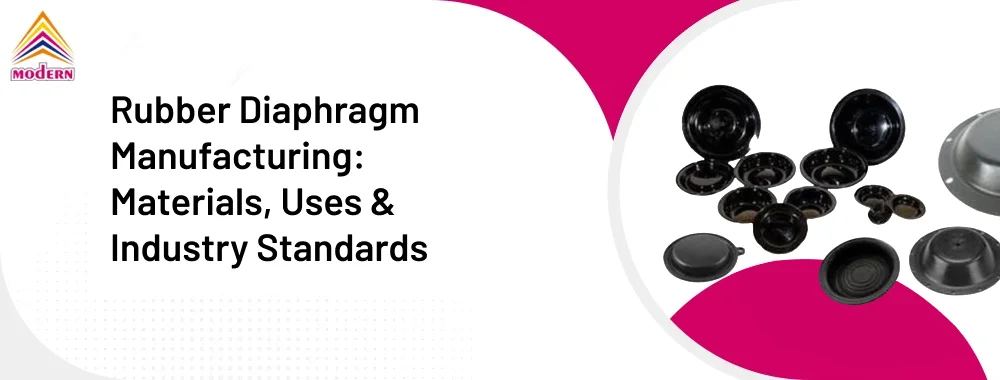
Some of the components from rubber diaphragm manufacturers are likely to be used in a valve, pump, or pressure control system that relies on a malleable material to isolate fluids or air. A rubber diaphragm is a diaphragm that does not leak when it is in use and is movable back and forth under pressure; and the right material and thickness are more important than most buyers realize. It explains the purpose of a rubber diaphragm, materials and standards to use, the manufacture of diaphragms, and their application throughout the power industry, railroads and industrial pumps and valves.
What a Rubber Diaphragm Does
A rubber diaphragm is a flexible disc or membrane used to divide two chambers within a valve or pump, which are used to transmit pressure or fluid flow to the valve or pump mechanism. One side of the diaphragm expands or contracts, opening and closing a valve or pumping fluid. The material is subject to numerous cycles of flexing – often thousands of times per day to prevent fatigue cracking over millions of cycles without loss of shape or seal.
Materials Used and Standards to Look For
EPDM is resistant to heat, ozone and weathering and is widely used for diaphragms for outdoor and water applications. NBR (Nitrile Rubber) can resist oil and fuel, suitable for fuel system, industrial pump, etc. Silicone is also resistant to both extreme hot and cold conditions and can be utilized in applications such as food grade or applications for very high temperatures. When comparing suppliers, check if they make their diaphragms to accepted ISO standards, as pressure rated diaphragms should have quality control documented, not just given a word of assurance about their life time.
Manufacturing Process Overview
Diaphragms are typically produced using compression or injection moulding, where raw rubber is shaped and cured under heat and pressure. Some diaphragms include a fabric reinforcement layer moulded into the rubber for added strength under repeated flexing, particularly in higher pressure valve applications. The mould itself has to be precise, since even a small variation in thickness across the diaphragm can create a weak spot that fails long before the rest of the part wears out. After moulding, diaphragms are trimmed, inspected for thickness consistency, and pressure tested to confirm they can handle the rating they are built for. Storage also matters, since rubber diaphragms can degrade if left in direct sunlight or extreme heat before they are even installed, so a good manufacturer will package and ship them in a way that protects the material until it reaches your site.
Applications by Industry
In the power sector, diaphragms are used in valves and pumps that regulate steam, water, or fuel flow inside turbines and boilers, often running continuously for long stretches without a break. Railways use diaphragms in braking systems and pneumatic controls, where a consistent pressure response is critical for safety and cannot be allowed to drift over time. Industrial pumps and valves across manufacturing plants also rely on diaphragms to control fluid flow accurately without leaking, and a failure here can shut down an entire production line until the part is replaced, which makes reliability far more important than a small saving on unit price.
Valve Diaphragms vs. Pump Diaphragms
Not all diaphragms do the same job, so it helps to know which type you actually need. A valve diaphragm usually flexes a shorter distance but has to hold a seal tightly against pressure on one side, so leak resistance matters most. A pump diaphragm flexes a larger distance repeatedly to push fluid or air through a chamber, so fatigue resistance and cycle life matter more than sealing alone. Telling your manufacturer which category your application falls into helps them recommend the right thickness and reinforcement, instead of supplying a generic part that may not hold up in your specific system.
How to Choose a Diaphragm Manufacturer
Confirm the pressure rating and cycle life the manufacturer tests for, not just the material name on a spec sheet. Ask whether they can match your existing diaphragm dimensions exactly, since even small thickness differences can affect valve performance. It also helps to check whether they manufacture to relevant ISO standards, and whether they can supply batch testing records you can keep on file for your own quality documentation and audits. For a broader look at vetting suppliers, see our related guide on how to choose the right rubber component manufacturer in India.
FAQs
It depends on cycle count and operating pressure, but industrial diaphragms are often replaced during scheduled maintenance rather than waiting for failure.
EPDM handles weather and heat better, while NBR resists oil and fuel more effectively, so the right choice depends on what the diaphragm will be exposed to.
Yes, most rubber diaphragm manufacturers can reproduce an existing diaphragm if you provide a sample or a drawing with exact dimensions.
Not always, but high pressure or high cycle applications often use fabric reinforced diaphragms for added durability.
Yes, diaphragms stored in direct sunlight or extreme heat before installation can degrade faster, so proper storage matters even before the part is put to use.